
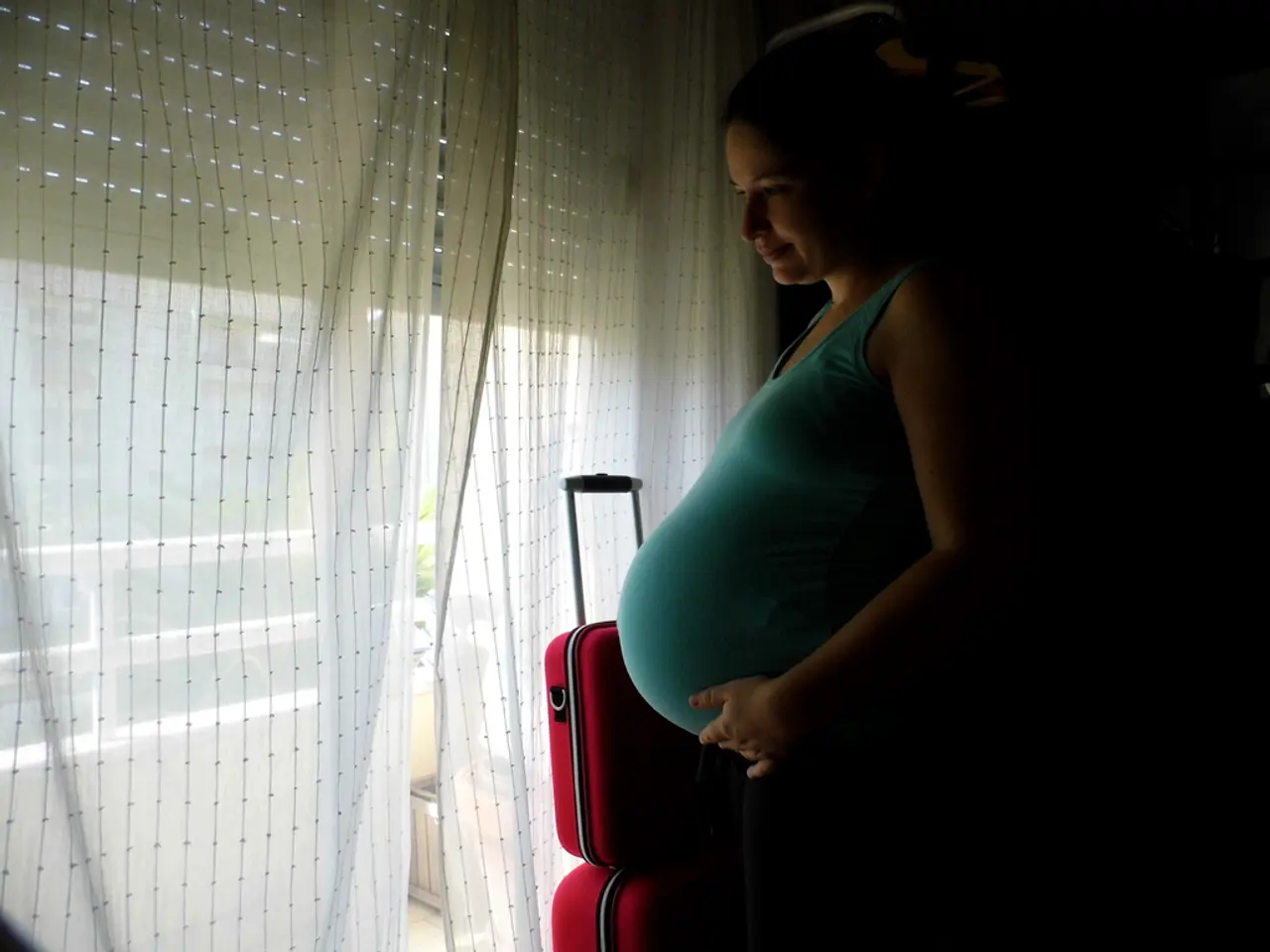
Anticipated symptoms during the 2-week wait for the results of a diagnostic Pap Smear test (DPO)
In the intricate dance of the menstrual cycle, common early pregnancy symptoms can often be mistaken for premenstrual syndrome (PMS) or signs experienced around the time of ovulation. This article aims to shed light on the typical onset and characteristics of these symptoms, providing valuable insights for those who may be expecting.
### Early Pregnancy Symptoms: What to Expect
Pregnancy symptoms, which result from hormonal changes, particularly the increase in progesterone and the hormone hCG once implantation occurs, can appear as early as six to twelve days past ovulation (DPO).
#### Breast Tenderness and Swelling
One of the earliest signs of pregnancy can be breast tenderness and swelling. This symptom can start as early as one to six days past ovulation due to rising progesterone levels and continues into early pregnancy, making breasts feel sore or swollen.
#### Fatigue
Elevated progesterone levels can also cause increased tiredness soon after ovulation and in early pregnancy.
#### Abdominal Cramps
Light abdominal cramping may occur shortly after ovulation and implantation (around 5-6 DPO), often due to the uterus preparing for pregnancy.
#### Mood Swings
Hormonal fluctuations can cause irritability or emotional sensitivity both shortly after ovulation and in early pregnancy.
#### Frequent Urination
This symptom typically appears around 6-8 weeks after conception as the uterus grows and hormone levels rise.
#### Nausea (Morning Sickness)
Nausea and vomiting often start around 6 weeks after conception, peaking at weeks 6-10 of pregnancy.
#### Missed Period
Usually, the first clear sign of pregnancy is a missed period, occurring about 14 days after ovulation if pregnancy has occurred.
#### Other Symptoms
Other symptoms may include bloating, food cravings, changes in taste and smell, dizziness, and headaches, commonly appearing within the first few weeks after conception.
### Timeline of Symptoms After Ovulation
| Symptom | Typical Onset After Ovulation | |-----------------------|------------------------------------| | Breast tenderness | 1-6 days past ovulation (progesterone effects) | | Fatigue | 1-6 days past ovulation | | Mild abdominal cramps | Around 5-6 days past ovulation (implantation) | | Mood swings | 1-6 days past ovulation | | Missed period | ~14 days after ovulation | | Frequent urination | About 6-8 weeks after conception | | Nausea and vomiting | Around 6 weeks after conception |
It's essential to remember that some symptoms like breast tenderness, fatigue, and mild cramping can be noticed within the first week after ovulation, but the most definitive signs such as missed period and nausea typically occur a couple of weeks later. The rise of hCG after implantation (usually 6-12 DPO) triggers many of these early pregnancy symptoms and can be detected by pregnancy tests starting around 8 DPO.
Implantation bleeding, or light bleeding or spotting, may occur after 1 to 2 weeks following implantation, marking one of the earliest signs of pregnancy.
Ovulation is the moment an ovary releases an egg, while implantation occurs after fertilization and marks the start of pregnancy. During implantation, some people may begin to experience pregnancy symptoms such as breast tenderness, bloating, food cravings, increased nipple sensitivity, headaches, and muscle aches. The body produces a pregnancy hormone called human chorionic gonadotropin (HCG) during implantation, which is responsible for early pregnancy symptoms and is the hormone that pregnancy tests identify.
It's crucial to note that pregnancy symptoms and when they occur can vary significantly between individuals. If you suspect you might be pregnant, it's always advisable to consult a healthcare professional for accurate information and guidance tailored to your specific situation.
- Recognizing the differences between menstruation and early pregnancy symptoms can be challenging, as some symptoms, like breast tenderness and swelling, can occur during both the menstrual cycle and early pregnancy.
- Pfizer, a notable name in health-and-wellness and predictive science, has developed AI-powered tools to help women predict their ovulation and potential conception dates.
- Women who are trying to conceive might benefit from tracking the onset and characteristics of early pregnancy symptoms in a health-and-wellness app to aid in the prediction of conception.
- While some early pregnancy symptoms may resemble PMS, understanding the timeline and typical traits of these symptoms can provide valuable information for women hoping to become pregnant.
- During periods of high stress, such as anticipating a pregnancy test, women might experience heightened emotions, headaches, or muscle aches, which could be mistaken for early pregnancy symptoms.
- In the realm of health-and-wellness and women's health, it's essential to educate oneself on the body's changes during early pregnancy to better understand the journey ahead and ensure a healthy start for both mother and child.


)