Discovered: Highly Radioactive Wasp Nest at Old Nuclear Plant Location
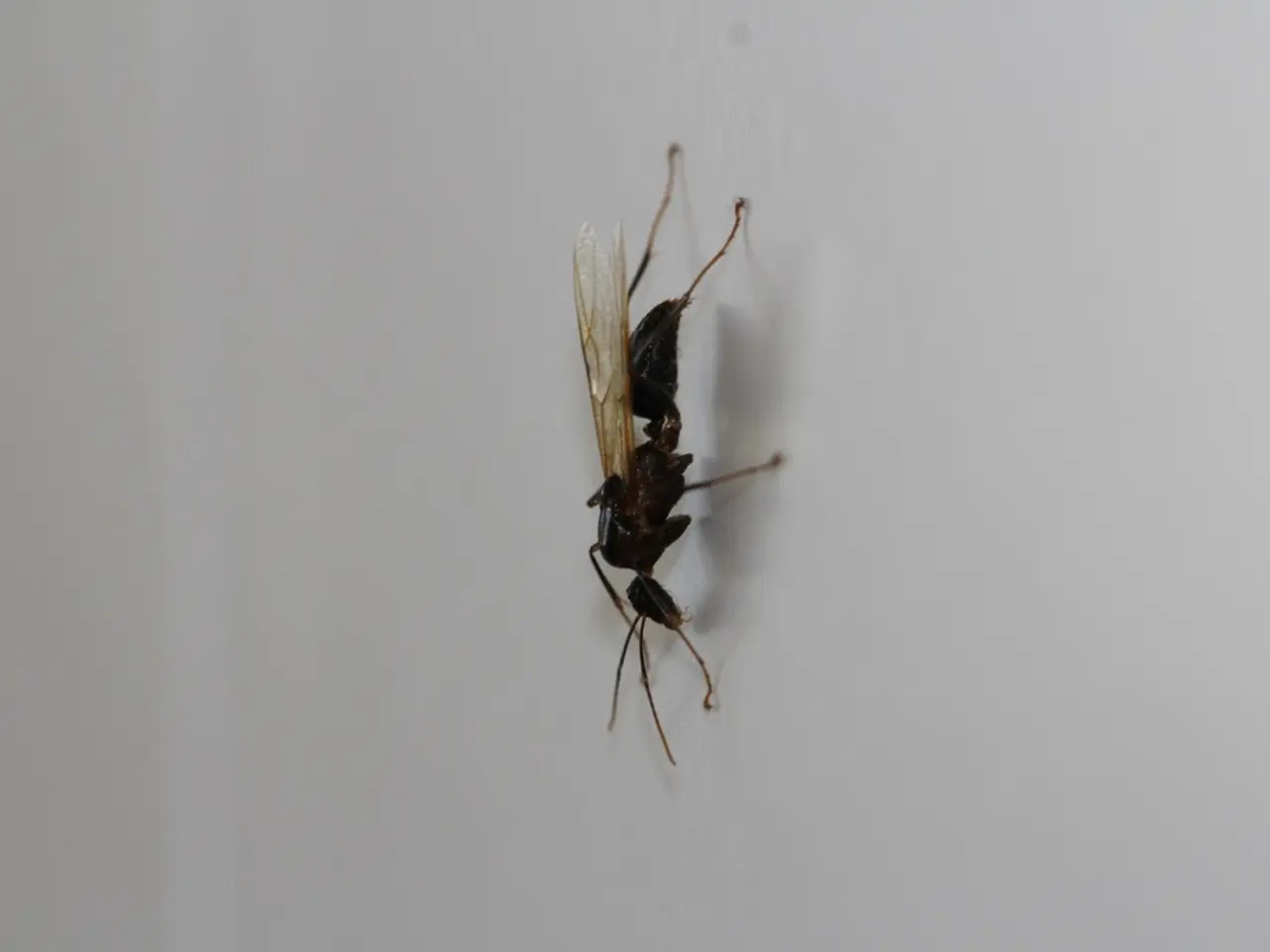
A radioactive wasp nest was discovered on July 3, 2021, at the Savannah River Site in South Carolina. The nest, found on a stanchion near a tank, had radiation levels about 10 times above federal limits.
The Savannah River Site, built in the 1950s near Aiken, was once a nuclear bomb production facility. During the Cold War, it produced nuclear material and nuclear weapons components. However, the discovery of the radioactive wasp nest was not related to a loss of contamination control at the nuclear facility.
Instead, the nest was a victim of "legacy radioactive contamination," residual radioactivity left from past nuclear materials production activities. Cleanup and environmental remediation at the site have been ongoing since 1989, and the site became an Environmental Protection Agency Superfund site in the same year.
In response to the discovery, workers exterminated the wasps, removed the nest, and disposed of it as radiological waste. The ground and surrounding area where the nest was found did not have any contamination, according to the report.
Officials emphasized there was no leakage from the waste tanks, indicating the contamination source was historical and residual, not an active leak. The cleanup measure involved spraying insecticide, carefully bagging the nest, and treating it with radiological waste protocols to prevent exposure and environmental spread.
Concerns remain from watchdog groups about incomplete understanding of contamination pathways. Identifying the species of wasps could help trace the contamination source more precisely. The Savannah River Site continues active monitoring and cleanup of legacy contamination while still operating some underground tanks used for nuclear fuel production.
In recent years, the National Nuclear Security Administration has begun work on a facility at the Savannah River Site to produce new plutonium cores for American nuclear weapons. The agency plans to build at least 50 new plutonium cores per year in the new facility.
It is important to note that the report does not mention any potential health risks or consequences resulting from the discovery of the radioactive wasp nest. The report also does not specify the type of radioactive material that contaminated the wasp nest.
References:
- Washington Post
- NPR
- Savannah Morning News
- Despite the historical radioactive contamination at the Savannah River Site, ongoing clean-up efforts in environmental science aim to mitigate the risks posed by this legacy contamination, especially considering the health-and-wellness implications for surrounding areas and wildlife.
- The discovery of the radioactive wasp nest at the Savannah River Site has brought attention to the importance of therapies-and-treatments for managing the aftermath of nuclear activities, as well as the necessity of studying environmental-science aspects related to climate-change and its impact on wildlife habitats and contamination patterns.