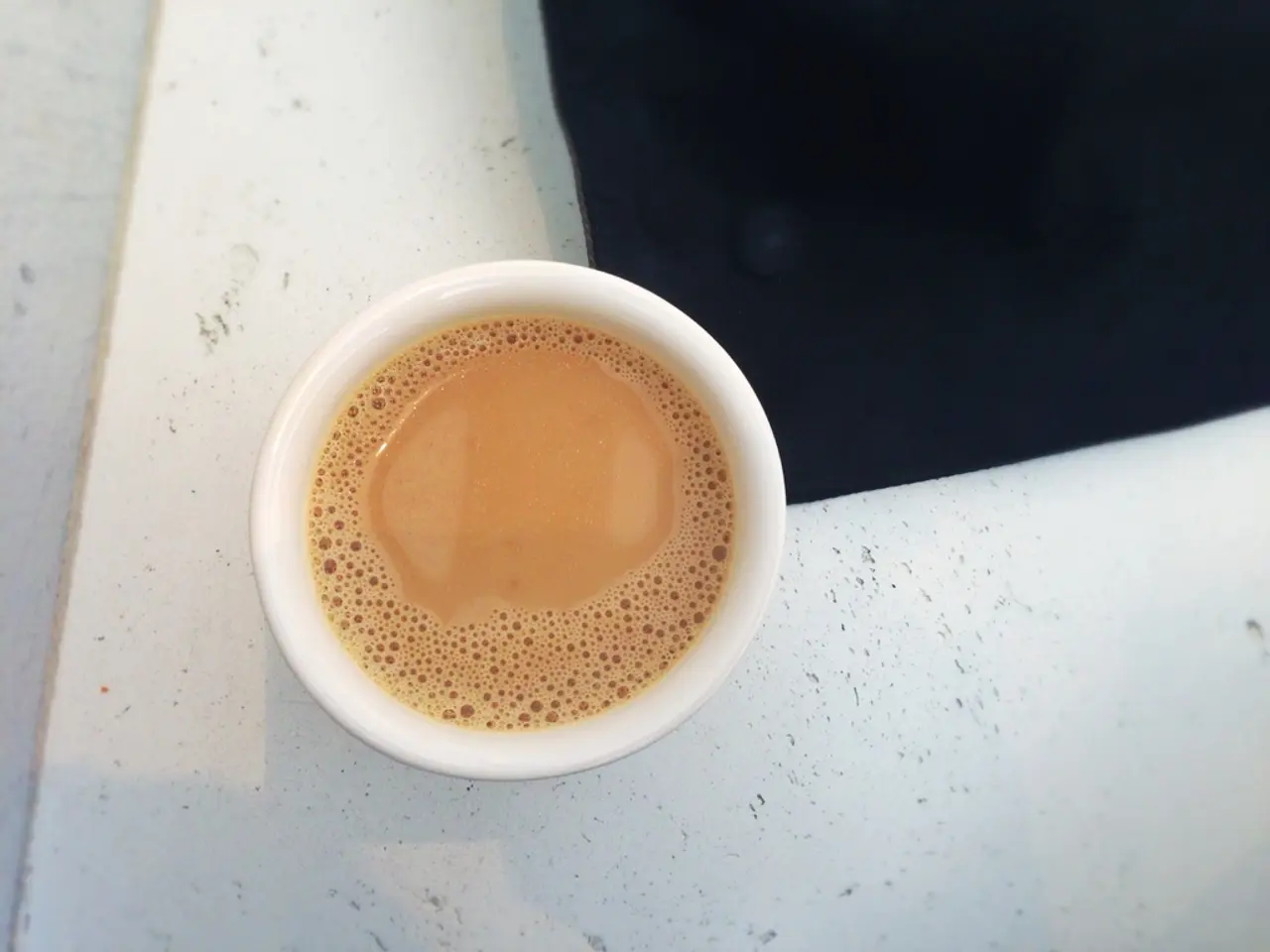
Kombucha: a fermented tea beverage known for its tangy flavor and probiotic qualities, produced using a symbiotic culture of bacteria and yeast.
Kombucha, a fermented tea beverage, has gained popularity for its unique taste and numerous health benefits. Originating in China thousands of years ago, the name "kombucha" comes from Japan, and it is now enjoyed worldwide.
A Taste of Kombucha
Kombucha's taste varies depending on the ingredients added to the recipe. It can remind you of tea with fruit or herbal flavours, offering a refreshing drink available in a wide range of unique and varied flavours, perfect for any time of the day.
Health Benefits of Kombucha
Kombucha is not just a tasty beverage; it's also packed with health benefits. Rich in probiotics, it supports the digestive system and strengthens the immune system. The antioxidants found in kombucha may help fight inflammation, potentially lower blood sugar levels, and improve insulin sensitivity. Moreover, the carbonation and organic acids produced during fermentation can aid digestion and detoxification.
Making Kombucha at Home
Creating homemade kombucha is a simple, safe, and quick DIY project. Here's a basic recipe:
Ingredients
- Filtered water (about 3.5 to 4 litres or 14 cups)
- 8 tea bags or 2 tbsp loose black tea (some variations use green tea or a blend)
- 1 cup granulated sugar (feeds the SCOBY)
- 1 SCOBY (symbiotic culture of bacteria and yeast)
- 2 cups starter kombucha (from a previous batch or store-bought raw plain kombucha)
Equipment
- Large glass jar (1-gallon or more)
- Cloth or coffee filter with rubber band to cover jar
- Bottles for secondary fermentation (optional, to carbonate)
Method
- Boil about 4 cups of water and steep tea bags for 10-15 minutes.
- Remove tea bags and stir in sugar until dissolved.
- Add this sweet tea to the jar and add additional cold filtered water to make about 3.5 to 4 litres total.
- Let tea cool to room temperature.
- Add SCOBY and starter kombucha.
- Cover jar with cloth secured by a rubber band.
- Let ferment at room temperature (away from direct sunlight) for 7-12 days.
- Starting around day 7, taste daily—when it reaches your preferred balance of sweetness and acidity, strain and bottle.
- For fizzier kombucha, perform a secondary fermentation: bottle kombucha with some flavorings (like fresh ginger) in sealed pressure-resistant bottles and let sit 2-4 days at room temperature, then refrigerate to stop fermentation and enjoy carbonation.
For a honey-based kombucha (Jun Tea), replace sugar with honey, use green tea, and follow the same process.
Safety Considerations
While drinking homemade kombucha is completely safe, it's essential to maintain cleanliness and monitor the fermentation process to ensure mold does not grow.
Pregnancy Warning
It is not recommended to drink kombucha while pregnant due to its low alcohol and caffeine content.
Kombucha Scoby
A kombucha scoby is not a mushroom, biologically speaking. Instead, it's a gelatinous film and liquid used to start the fermentation of kombucha. The acronym SCOBY stands for Symbiotic Culture Of Bacteria and Yeast.
Conclusion
Homemade kombucha is a refreshing, probiotic-rich drink that can be easily made at home. With its unique taste, numerous health benefits, and simple production process, kombucha is an excellent alternative to soft drinks. For more recipes and tips, check out the specified links. Enjoy brewing your own kombucha!
- Science and health-and-wellness enthusiasts alike can find delight in the lifestyle choice of homemade kombucha, a food-and-drink creation brimming with probiotics and antioxidants.
- Cooking aficionados seeking to expand their culinary horizons might aussi appreciate the art of brewing kombucha, a health-forward beverage with unique flavor profiles mirroring those of tea, fruit, and herbal infusions.