
Maintaining Engagement among Remote and On-site Workforce
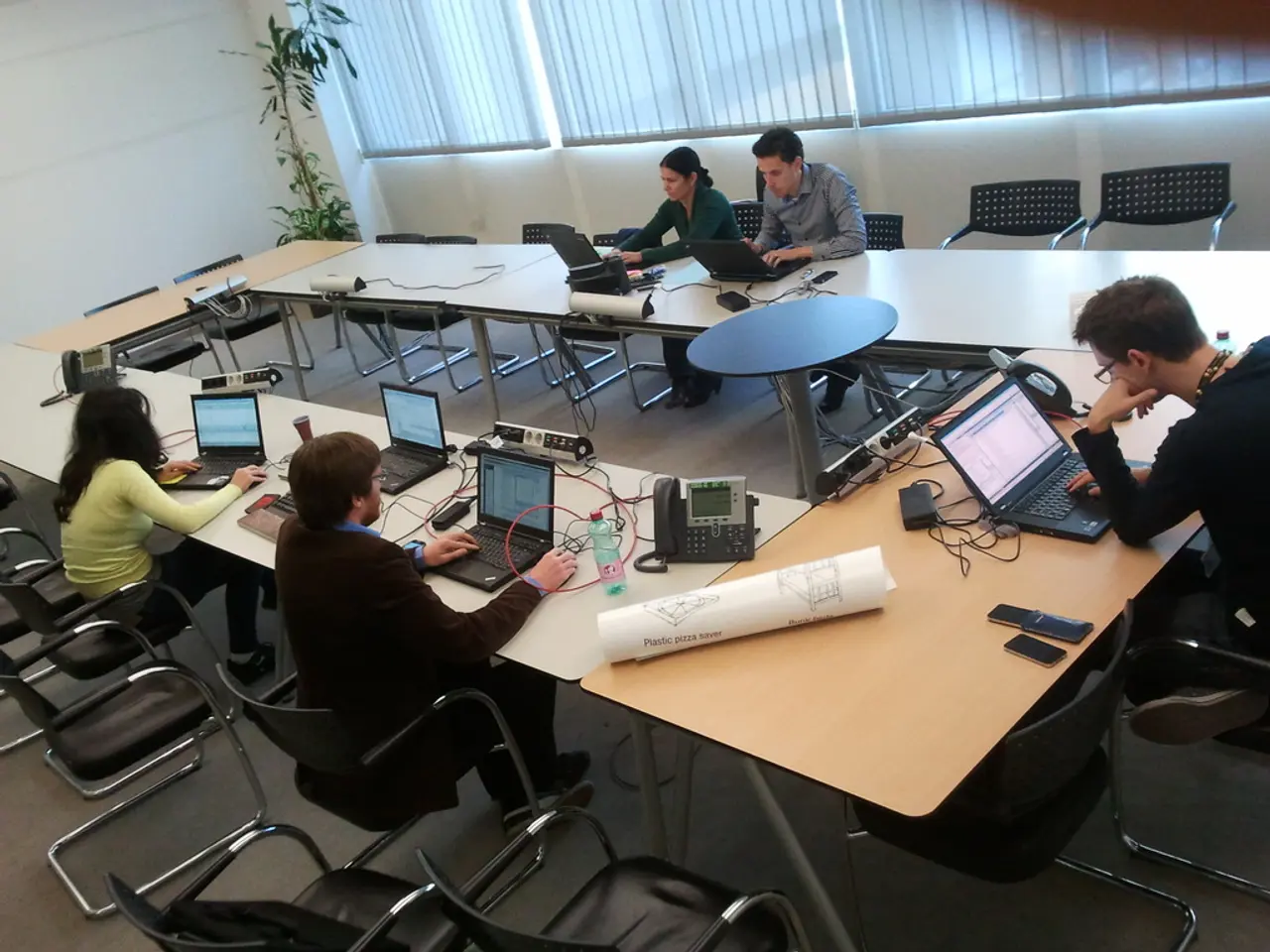
In the evolving landscape of work, companies are investing in office layouts and measures to encourage proximity and social bonding. However, with the shift towards hybrid work, many offices are experiencing fewer people and less familiarity among colleagues. This has highlighted the need for new methods to address the social and emotional needs of these hybrid teams.
One of the key strategies is to create virtual social spaces for informal interactions. These can replicate the spontaneous office interactions we once knew, fostering social bonding and helping remote and onsite workers feel less isolated. Virtual hangouts, hobby groups, or casual chat rooms can all serve this purpose.
Another important aspect is celebrating milestones and achievements. Regular virtual celebrations for birthdays, work anniversaries, and team successes boost morale, reinforce appreciation, and strengthen team relationships.
Implementing recognition programs that combine formal awards and informal shout-outs or personalized thank-you messages can also be effective. Acknowledging all efforts motivates employees and builds cohesion.
Planning purposeful in-person meetings for activities like mentoring, performance reviews, and team-building exercises that benefit from face-to-face interaction is also crucial. Virtual meetings can be used for routine catch-ups, maintaining ongoing collaboration beyond scheduled meetings.
Encouraging continuous collaboration by prompting team members to engage with one another regularly, even outside formal meetings, fosters a culture of interaction and trust.
Blending virtual and physical onboarding and bonding activities is another strategy. Digital sessions can be used for knowledge sharing and brief check-ins, while in-person time can be reserved for relationship-building events.
Using engaging virtual activities and games such as Zoom games, collaborative playlist creation, virtual coffee breaks, and unique interactive experiences can promote connection and shared memories across locations.
Offering flexibility with a clear structure allows employees to balance work modalities while maintaining consistent engagement with the team culture.
Managers need specialized training, support, and autonomy to set up one-to-one meetings and promote employee engagement. Offsites can also be organized for team members to interact and build relationships. Leaders should create opportunities for frequent check-ins with team members.
Managers are in the best positions to engage with employees individually and discuss real problems. By integrating these approaches, managers can nurture emotional connections and a strong sense of belonging within hybrid teams, counteracting isolation and boosting team spirit effectively across remote and in-office settings.
However, it's important to note that remote work has magnified inequities within organizations, potentially setting back DEI efforts. Employers must make extra efforts to address the teams' need for connections and team bonding, ensuring that these initiatives are inclusive and equitable for all.
Employees value the flexibility of hybrid work but do not wish to sacrifice social interactions. The epidemic has led to employee isolation, fatigue, attrition, and burnout due to remote and hybrid work. By focusing on these strategies, managers can help create a more connected and engaged workforce, improving productivity and overall well-being.
- To combat isolation and bolster remote work, companies could establish virtual hangouts, hobby groups, or chat rooms, replicating the informal interactions that foster social bonding.
- Acknowledging achievements through recognition programs that blend formal awards and informal shout-outs or personalized messages can help boost employee morale and build cohesion.
- Managers, to improve engagement and nurture connections with hybrid teams, should conduct regular in-person meetings, such as mentoring sessions, performance reviews, and team-building exercises, while also utilizing virtual meetings for routine catch-ups.
- To promote workplace-wellness and health-and-wellness, employers must ensure that DEI efforts are not compromised in the shift towards hybrid work, creating inclusive and equitable initiatives for all employees while maintaining a lifestyle that offers the flexibility of remote work without sacrificing social interactions.