
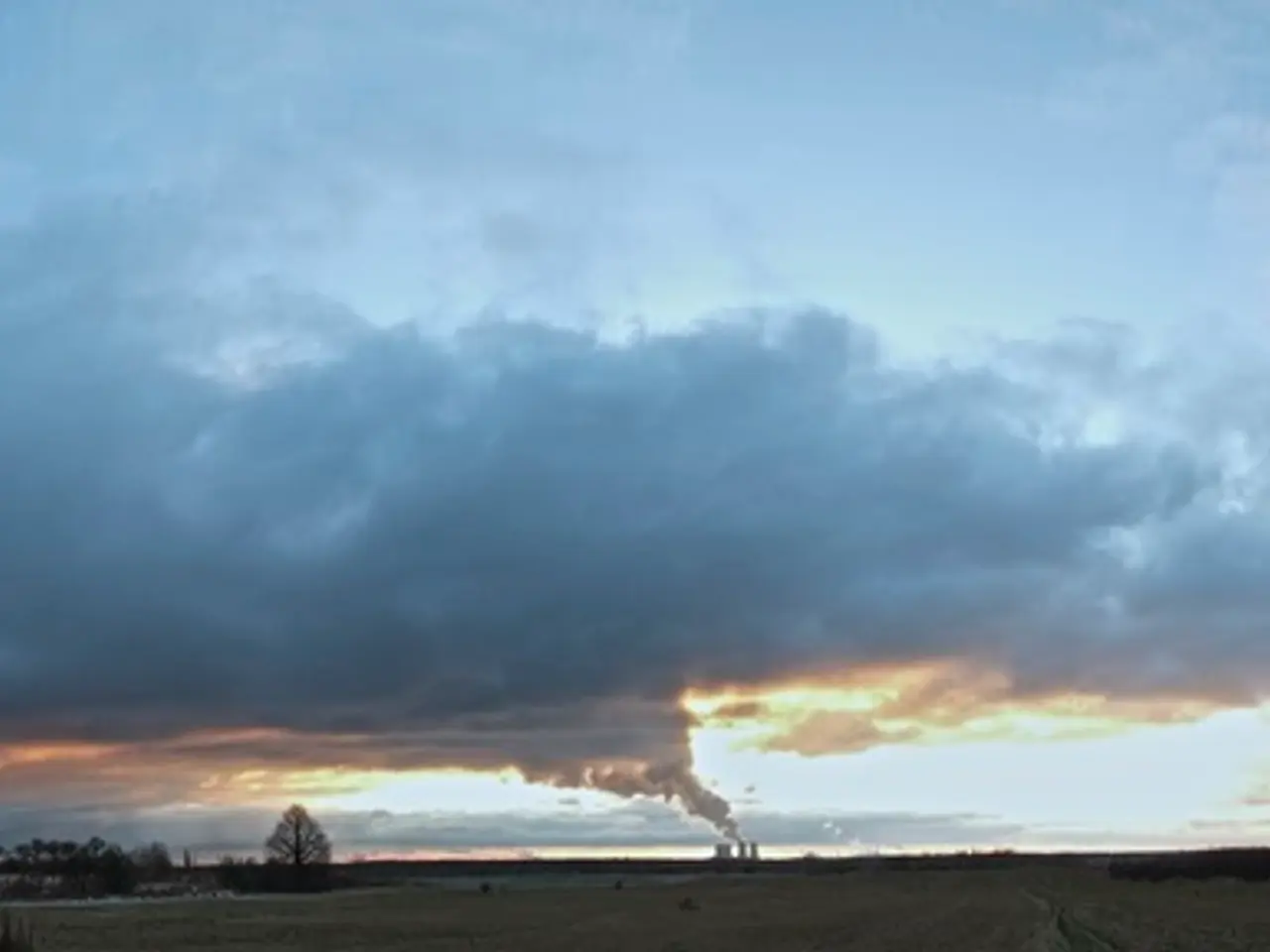
Many Americans are regularly inhaling unhealthy air, with Los Angeles experiencing high levels of ozone.
In recent years, the United States has seen a mixed trend in air quality. While overall improvements have been made due to environmental regulations such as the Clean Air Act, progress has slowed since around 2010, particularly due to increasing wildfire activity and outdated transportation infrastructure.
A key concern is the level of particulate matter (PM), which includes PM2.5 (fine particulate pollution) and PM1 (even smaller particles). According to recent analyses, levels of these pollutants have dropped sharply from 1998 to 2022 but have plateaued after 2010. Wildfires are now a significant contributor to the stagnation in air quality improvements, particularly for fine particulate matter. Coarse particulate levels, represented by PM10, remain moderate but are not the primary concern for most communities.
Ground-level ozone pollution remains a significant issue, especially in certain regions, with San Bernardino County, California reporting the highest ozone pollution levels. California is overrepresented in both ozone and particulate matter pollution rankings, largely due to its geography, climate, and wildfire activity.
The American Lung Association’s 2025 "State of the Air" report reveals that Kern County, California had the highest pollution for both annual and short-term particulate matter (PM2.5). Ozone pollution is linked to respiratory distress, asthma, and reduced lung function, and this year, levels have risen significantly due to climate change.
Older diesel locomotives are a significant but often overlooked source of air pollution, particularly affecting communities near rail lines. The Lung Association is urging Americans to defend the Environmental Protection Agency (EPA), warning that budget cuts and staff reductions threaten efforts to maintain air quality protections.
While more than 125 million people (37% of the population) live in areas with unhealthy ozone levels, only two cities made the list for clean air across all three categories: Bangor, Maine, and San Juan, Puerto Rico. Currently, only 922 of the country's 3,221 counties monitor air pollution, leaving more than 72.8 million people in unmonitored zones.
The top 10 cities with the highest ozone pollution are: Los Angeles-Long Beach, California; Visalia, California; Bakersfield-Delano, California; Phoenix-Mesa, Arizona; Fresno-Hanford-Corcoran, California; Denver-Aurora-Greeley, Colorado; Houston-Pasadena, Texas; San Diego-Chula Vista-Carlsbad, California; Salt Lake City-Provo-Orem, Utah-Idaho; and Dallas-Fort Worth, Texas-Oklahoma.
The full report and ways to get involved can be found at Lung.org/sota. It is crucial to continue efforts to reduce pollution, especially as we address emerging non-fossil fuel sources such as wildfire smoke and legacy infrastructure.
Science reveals that wildfire smoke and outdated transportation infrastructure have contributed to the stagnation in air quality improvements, specifically for fine particulate matter, in recent years. In the health-and-wellness sphere, climate change has exacerbated ozone pollution levels, particularly in certain regions like California, leading to respiratory distress, asthma, and reduced lung function.Environmental-science findings also indicate that older diesel locomotives are a significant, yet often overlooked, source of air pollution. Thus, it's crucial to continue efforts in reducing pollution, addressing emerging non-fossil fuel sources like wildfire smoke and legacy infrastructure, to safeguard public health and ensure a sustainable future.