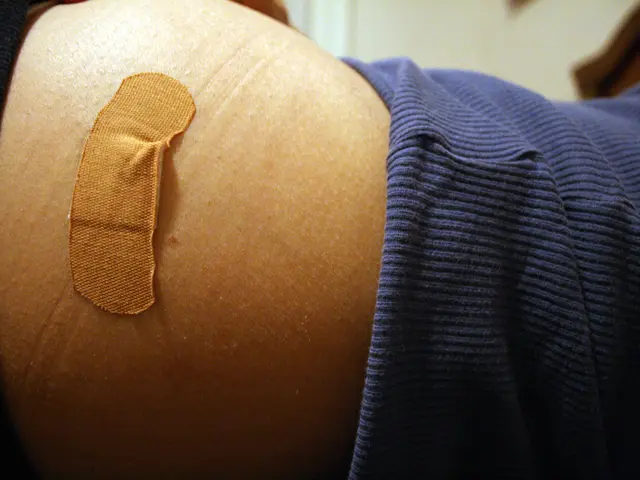

Rash outbreaks: Varieties, signs, and remedies
**Common Viral Rashes: Causes, Symptoms, and Prevention**
Viral rashes are a common health concern, especially in children, and are caused by various viruses. Here's a closer look at some of the most common viral rashes, their symptoms, and treatment options.
**Roseola Infantum** (also known as sixth disease) is caused by human herpesviruses (HHV) type 6 and type 7, and is more common in children under 2 years old. It begins with a high fever followed by a rash that starts on the trunk and spreads to the limbs [1][5].
**Fifth Disease (Erythema Infectiosum)**, caused by parvovirus B19, is characterized by a red cheek rash and can cause joint pain in older children and adults. It is contagious before the rash appears [3].
**Chickenpox**, caused by the varicella-zoster virus, presents with a vesicular rash and fever [5].
**Rubella** (also known as German measles) causes a spotty rash that starts on the face or back of the ears and may spread to the rest of the body [4].
**Measles** causes a viral rash that usually starts behind the ears and spreads to the face, neck, and trunk [5].
**Hand, foot, and mouth disease (HFMD)** is most common in children under the age of 5 years [2].
**Shingles**, which occurs most often in adults, is caused by the reactivation of the varicella-zoster virus and presents with a painful blistering rash that can develop anywhere on the body [6].
**Zika virus** can cause a rash on the skin, but most often, the virus causes mild symptoms or none at all [7].
**Mononucleosis** is caused by the Epstein-Barr virus and is often referred to as the "kissing disease." The rash in mononucleosis typically consists of small bumps that can occur anywhere on the body, including the face and trunk [8].
**Roseola** rash appears as small pink spots that are usually flat [1].
**Shingles** rash involves a painful blistering rash that can develop anywhere on the body [6].
## Symptoms
Symptoms of viral rashes vary but often include fever, rash, and respiratory symptoms in some cases. The appearance of the rash varies depending on the virus [1][5].
## Treatment
Most viral rashes resolve on their own without specific treatment. However, supportive care can help manage symptoms. This includes encouraging rest and adequate fluid intake, using antipyretics like acetaminophen or ibuprofen to reduce fever and ease discomfort, using topical creams or cold compresses for itching or discomfort, and in some cases, prescribing antiviral medications for specific viral infections [1][5].
## Prevention
Preventing the spread of viral infections involves frequent handwashing, avoiding close contact with infected individuals, and in some cases, vaccinations. For diseases like chickenpox, vaccination is available and recommended [1][5].
### Special Considerations
In adults, viral rashes can sometimes lead to more serious symptoms, such as joint pain in the case of fifth disease [3]. Certain viral infections, like rubella, pose risks during pregnancy, highlighting the need for careful management [5].
Hospitalizations and deaths from chickenpox in the United States have decreased significantly since the release of the varicella vaccine in 1995 [5].
Molluscum contagiosum can cause small nontender bumps on the skin and is more common in children ages 1 to 10 years [9].
[1] NHS UK: Roseola (Sixth Disease) [2] Centers for Disease Control and Prevention: Hand, Foot, and Mouth Disease (HFMD) [3] Mayo Clinic: Fifth Disease [4] Mayo Clinic: German Measles (Rubella) [5] Centers for Disease Control and Prevention: Chickenpox (Varicella) [6] Mayo Clinic: Shingles (Herpes Zoster) [7] World Health Organization: Zika virus [8] Mayo Clinic: Mononucleosis (Mono) [9] American Academy of Dermatology: Molluscum Contagiosum
- Ulcerative Colitis, a type of inflammatory bowel disease, may not show obvious rash symptoms but can cause skin disorders like pyoderma gangrenosum, erythema nodosum, or inflammatory ear disease [6].
- Bipolar disorder, a mental health condition, though not typically associated with viral rashes, can present with skin picking or atopic dermatitis (eczema) as a symptom of boredom or stress, often referred to as neurodermatitis [10].
- Diabetes, another health condition, can promote skin diseases such as bacterial infections, athlete's foot, and fungal infections like candida, leading to rashes [11].
- Science has made significant strides in predictive medical-conditions research, with some studies showing potential links between skin-care products and the development of autoimmune disorders like psoriasis [12].
- **AQ (Air Quality) index measurements are crucial in predicting the spread of respiratory diseases like COPD (Chronic Obstructive Pulmonary Disease), while poor air quality may worsen symptoms of existing viral rashes that present with respiratory symptoms [13].
- Alzheimers disease, a neurodegenerative disorder, does not involve viral rashes, but depression is a common symptom and, in turn, can contribute to poor skin health and even skin disorders like hives or acne [14].
- Rash symptoms can sometimes be the result of skin-care product reactions or allergies, making it essential to be aware of potential sensitivities and to follow proper skin-care routines [15].
- **Colitis, an inflammation of the colon, can manifest with skin symptoms such as erythema nodosum or pyoderma gangrenosum, which are not common in viral infections [6].
- **In health-and-wellness discussions, it is crucial to consider the interplay between mental health and physical health, with conditions like depression and eczema potentially influencing each other [16].
- Medical professionals recommend sunscreen use and sun protection as part of a comprehensive skin-care regimen to help prevent skin damage and the development of rashes in various health conditions [15].