Risks and Strategies for Overcoming Dependence on Mescaline, an Expotent Hallucinogenic Compound
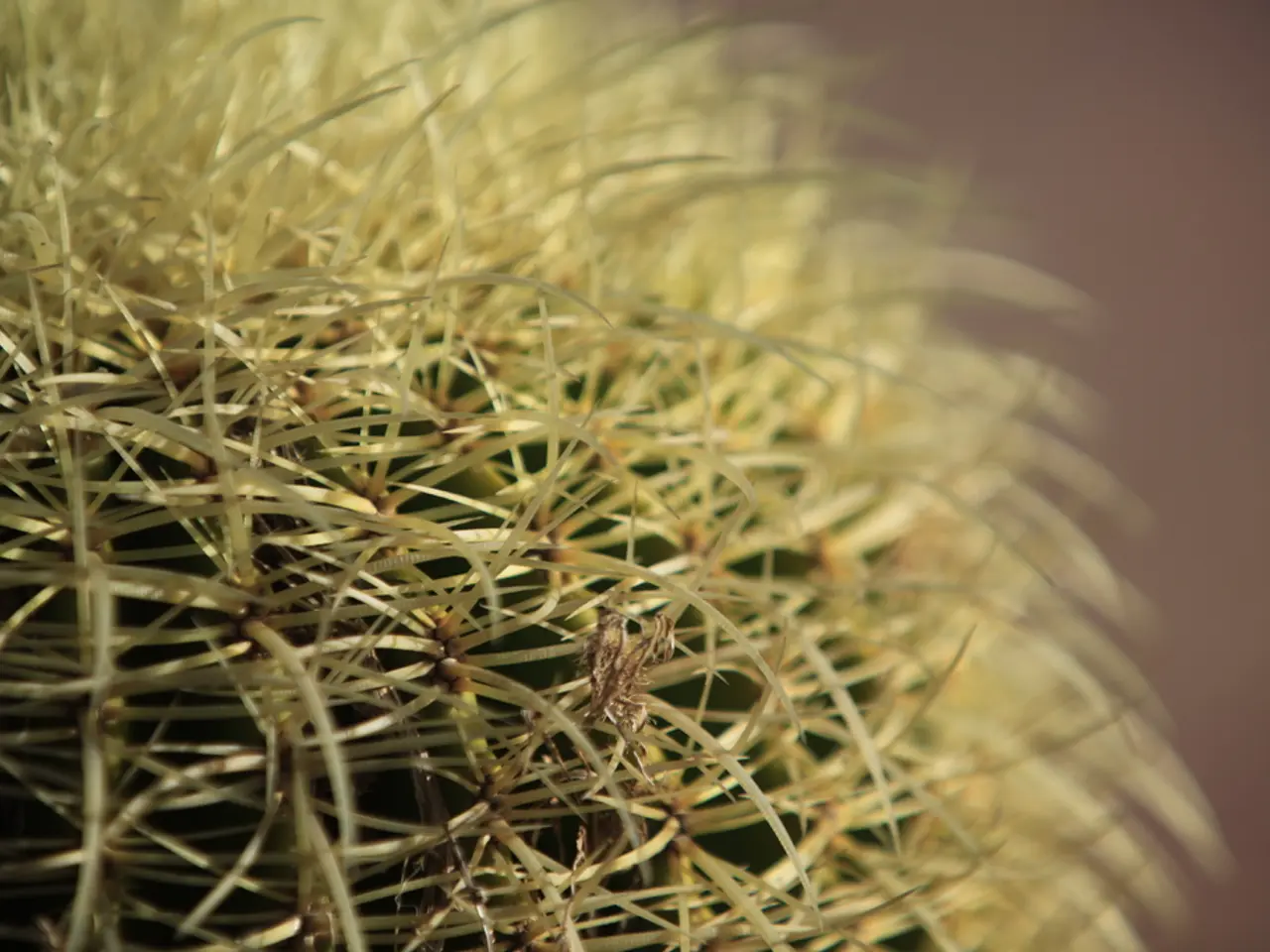
Mescaline, a psychoactive alkaloid found primarily in cacti such as peyote (Lophophora williamsii) and the San Pedro (Trichocereus pachanoi), can generate a strong psychological dependence. Despite being considered less dangerous than other hallucinogenic drugs, its consumption is not without risks.
Mescaline acts primarily on serotonin receptors in the brain, especially the 5-HT2A receptor, and can lead to a variety of signs indicating addiction. These may include cravings or a strong desire to use mescaline, neglecting responsibilities due to its use, and continued use despite negative consequences.
Treating mescaline addiction requires a comprehensive approach that addresses both the physical and psychological aspects of the dependence. The first step in this process is a thorough evaluation by mental health and addiction professionals. Although mescaline does not cause physical withdrawal, detoxification may be necessary to treat the residual effects of the drug and any associated medical complications.
Psychological therapy is essential for anyone struggling with mescaline addiction. Cognitive-Behavioral Therapy (CBT) helps patients identify and change the patterns of thinking and behavior that contribute to addiction. Group therapy provides mutual support and allows patients to share experiences and recovery strategies.
Family therapy improves communication, addresses dysfunctional family dynamics, and educates family members about addiction and how to support recovery. It is crucial to involve family members in the treatment process as they can play a significant role in the patient's journey towards recovery.
Recovery from mescaline addiction is possible with the right support and a commitment to the treatment process. This includes relapse prevention, a critical component of long-term treatment. Identifying triggers, developing an action plan, building a support network, promoting a healthy lifestyle, mindfulness and relaxation techniques, and maintenance therapy are all important elements of relapse prevention.
The coronavirus pandemic has boosted addiction cases, making it more important than ever to seek help and support for those struggling with mescaline addiction. Fortunately, there are facilities like the MonteAlminara center in Malaga, Spain, which offers a unique and personalized addiction focus, combined with top-notch facilities, for those seeking specialized addiction treatment for substances like mescaline.
In conclusion, while mescaline addiction can be challenging to overcome, with the right approach and support, recovery is possible. It is essential to seek help from mental health and addiction professionals, engage in therapy, and build a supportive network to navigate the challenges of recovery.
Read also:
- Increased measles cases Approaching 1,500 in the United States, with a new case detected in the Chicago metropolitan area.
- An Ear Infection Explained: A Discussion on Otitis Media
- Recommendations by CDC advisers for limiting MMRV vaccine choices in younger children, and forthcoming decision on hepatitis B vaccine restrictions.
- October 16th - Volunteer Workforce Training